Search Articles

Find Attorneys

New Research on Dementia Risk Factors, Screenings

  • January 5th, 2026

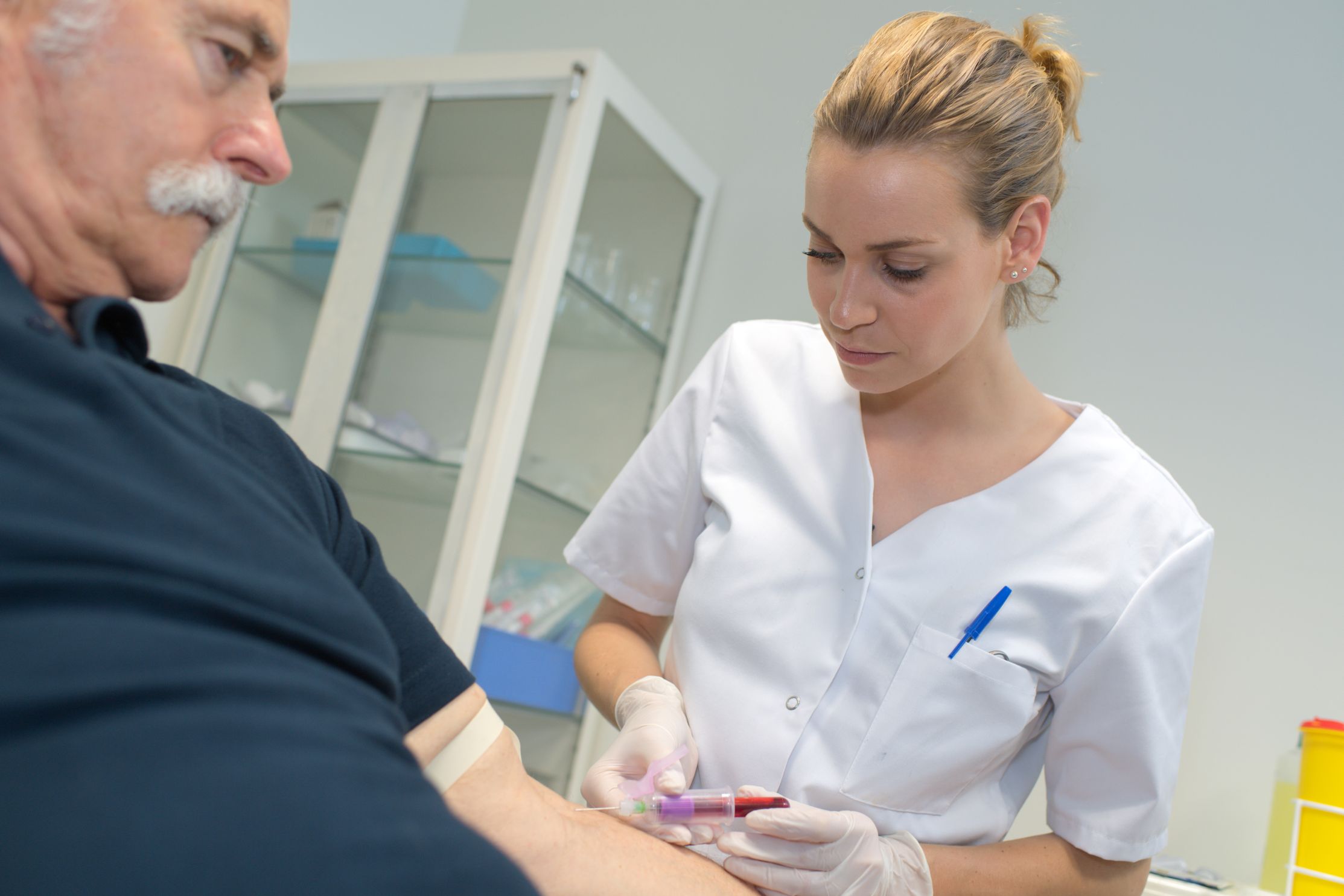
Health care provider draws blood from senior man for test.Takeaways

  • Dementia, which affects one in 10 older adults, is not a normal part of aging. Early detection and risk reduction are crucial.

  • Recent research highlights several nontraditional risk factors for dementia, including mental health issues (loneliness and depression), sleep problems (insomnia), and socioeconomic factors (food insecurity).

  • A new, less invasive blood test was FDA-approved in 2025 to help predict the development of Alzheimer’s disease in adults 50 and older with cognitive symptoms.

  • Emerging evidence suggests that certain lifestyle factors may help prevent dementia, such as listening to music, regular physical activity, and possibly receiving the shingles vaccine.

With an estimated one in 10 older adults in the United States living with dementia, there is a growing focus on early detection and prevention. Dementia encompasses diseases that impair memory and cause cognitive decline. Common types of dementia include Alzheimer’s disease (the leading cause), Lewy Body dementia, and vascular dementia.

Most forms of dementia worsen over time, with a period of cognitive impairment preceding a formal diagnosis. When cognitive decline causes a loss of sense of self and limits one’s independence, dementia can significantly reduce quality of life.

Local Elder Law Attorneys in Your City

Elder Law Attorney

Firm Name
City, State

Elder Law Attorney

Firm Name
City, State

Elder Law Attorney

Firm Name
City, State

Dementia is not a normal part of aging, despite what many people may assume. Reducing the risk of developing dementia and identifying risk early can prove essential for older adults. A growing body of research links dementia to loneliness, depression, insomnia, and even food insecurity. A new blood test may also be able to predict one’s risk of developing dementia.

Mental Health

Research published in the Journal of Nutrition Health and Aging found that people who have depression and loneliness have triple the risk of developing dementia. Depression is associated with dementia on its own, but it’s often accompanied by loneliness. While the research cannot point to a causal relationship, it does indicate a strong association between loneliness, depression, and dementia.

Those who have depression, live alone, or have other risk factors for loneliness should be evaluated for dementia.

Insomnia

Sleep is important for brain health. Insomnia can interfere with sleep, causing cognitive symptoms and worsening mood. Research shows that, like depression, insomnia is linked to dementia.

According to the Fisher Center for Alzheimer’s, one study found that older people with insomnia have a 40 percent higher risk of dementia or mild cognitive impairment. Lack of sleep sped up brain aging by three to four years and was associated with poorer performances on cognitive assessments. Those carrying the APOE-E4 gene, which is a genetic risk factor for Alzheimer’s, were particularly vulnerable when suffering from insomnia.

As with depression, people experiencing insomnia may benefit from dementia screening.

Food Insecurity

In addition to depression and insomnia, food insecurity has also been linked to dementia.

The U.S. Department of Agriculture defines households as food insecure if they are “uncertain of having or unable to acquire enough food to meet the needs of all their members because they had insufficient money or other resources for food.”

Research published in the Journal of the American Medical Association (JAMA) found that low food security was associated with a higher dementia risk. The association was stronger for adults under 65. Stress, poor nutrition, and socioeconomic factors may explain why food insecurity is related to dementia.

Blood Test

If you or a loved one have one or more risk factors for dementia, consider speaking with your health care provider about next steps.

A new blood test may also be able to predict the development of Alzheimer’s disease. The Food and Drug Administration approved the test, which is called Lumipulse, in May 2025, making it the first FDA-approved blood test for Alzheimer’s, the Mayo Clinic reports.

The test uses a routine blood sample drawn at a doctor’s office or lab, making it much less invasive than preexisting tests. The sample is measured for proteins, including a specific form of a protein that can indicate amyloid plaques in the brain that characterize Alzheimer’s disease.

Assessed to be over 90 percent effective, doctors can use the test as part of a bigger diagnostic picture. Lumipulse is approved for adults 50 and older with cognitive symptoms.

Recent Findings on Potential Prevention of Dementia

Some of the main risk factors for dementia are now well-established. They include age, certain health problems (such as diabetes or high blood pressure), lower levels of education in early life, and even air pollution.

Meanwhile, research has also uncovered some ways that may help reduce one’s risk of developing dementia, such as maintaining a healthy weight, staying mentally active, and drinking less alcohol or quitting smoking. In recent years, scientists have found some additional – and interesting – things that might serve as sources of prevention.

  • Music. A study from 2025 found that just listening to music was linked to a 39 percent lower risk of dementia. It also seemed to help with improved cognitive well-being in healthy older adults. In addition, playing a musical instrument was linked to a lower risk.
  • Too little free time. Australian scientists found that not having enough free time during the day might increase the risk of dementia.
  • Cheese. Surprisingly, a new Swedish study suggested that middle-aged and older adults who ate full-fat cheese and cream had a 13 to 17 percent lower risk of Alzheimer’s disease. However, as one news story points out, the data “do not justify eating large amounts of cheese or cream as protective foods against dementia.”
  • Regular physical activity in midlife and late life. Boston University researchers recently showed that starting to exercise during middle age or later life might help prevent dementia. People who exercised the most had a 41 to 45 percent lower risk compared with those who exercised the least.
  • Shingles vaccine. Research from last year suggested that people who received the shingles vaccine had about a 20 percent lower risk of developing dementia over the next seven years than those who did not get the vaccine.

Looking Forward

As science hones in on the risk factors for dementia and more effective testing emerges, we may see a brighter future for aging and brain health. Being aware of potential risk factors for dementia-causing diseases as well as available screening tests can give older adults and their families a greater sense of agency and optimism as they approach the future.

For additional reading, check out the following articles:


Created date: 01/05/2026
Medicaid 101
What Medicaid Covers

In addition to nursing home care, Medicaid may cover home care and some care in an assisted living facility. Coverage in your state may depend on waivers of federal rules.

READ MORE
How to Qualify for Medicaid

To be eligible for Medicaid long-term care, recipients must have limited incomes and no more than $2,000 (in most states). Special rules apply for the home and other assets.

READ MORE
Medicaid’s Protections for Spouses

Spouses of Medicaid nursing home residents have special protections to keep them from becoming impoverished.

READ MORE
What Medicaid Covers

In addition to nursing home care, Medicaid may cover home care and some care in an assisted living facility. Coverage in your state may depend on waivers of federal rules.

READ MORE
How to Qualify for Medicaid

To be eligible for Medicaid long-term care, recipients must have limited incomes and no more than $2,000 (in most states). Special rules apply for the home and other assets.

READ MORE
Medicaid’s Protections for Spouses

Spouses of Medicaid nursing home residents have special protections to keep them from becoming impoverished.

READ MORE
Medicaid Planning Strategies

Careful planning for potentially devastating long-term care costs can help protect your estate, whether for your spouse or for your children.

READ MORE
Estate Recovery: Can Medicaid Take My House After I’m Gone?

If steps aren't taken to protect the Medicaid recipient's house from the state’s attempts to recover benefits paid, the house may need to be sold.

READ MORE
Help Qualifying and Paying for Medicaid, Or Avoiding Nursing Home Care

There are ways to handle excess income or assets and still qualify for Medicaid long-term care, and programs that deliver care at home rather than in a nursing home.

READ MORE
Are Adult Children Responsible for Their Parents’ Care?

Most states have laws on the books making adult children responsible if their parents can't afford to take care of themselves.

READ MORE
Applying for Medicaid

Applying for Medicaid is a highly technical and complex process, and bad advice can actually make it more difficult to qualify for benefits.

READ MORE
Alternatives to Medicaid

Medicare's coverage of nursing home care is quite limited. For those who can afford it and who can qualify for coverage, long-term care insurance is the best alternative to Medicaid.

READ MORE
ElderLaw 101
Estate Planning

Distinguish the key concepts in estate planning, including the will, the trust, probate, the power of attorney, and how to avoid estate taxes.

READ MORE
Grandchildren

Learn about grandparents’ visitation rights and how to avoid tax and public benefit issues when making gifts to grandchildren.

READ MORE
Guardianship/Conservatorship

Understand when and how a court appoints a guardian or conservator for an adult who becomes incapacitated, and how to avoid guardianship.

READ MORE
Health Care Decisions

We need to plan for the possibility that we will become unable to make our own medical decisions. This may take the form of a health care proxy, a medical directive, a living will, or a combination of these.

READ MORE
Estate Planning

Distinguish the key concepts in estate planning, including the will, the trust, probate, the power of attorney, and how to avoid estate taxes.

READ MORE
Grandchildren

Learn about grandparents’ visitation rights and how to avoid tax and public benefit issues when making gifts to grandchildren.

READ MORE
Guardianship/Conservatorship

Understand when and how a court appoints a guardian or conservator for an adult who becomes incapacitated, and how to avoid guardianship.

READ MORE
Health Care Decisions

We need to plan for the possibility that we will become unable to make our own medical decisions. This may take the form of a health care proxy, a medical directive, a living will, or a combination of these.

READ MORE
Long-Term Care Insurance

Understand the ins and outs of insurance to cover the high cost of nursing home care, including when to buy it, how much to buy, and which spouse should get the coverage.

READ MORE
Medicare

Learn who qualifies for Medicare, what the program covers, all about Medicare Advantage, and how to supplement Medicare’s coverage.

READ MORE
Retirement Planning

We explain the five phases of retirement planning, the difference between a 401(k) and an IRA, types of investments, asset diversification, the required minimum distribution rules, and more.

READ MORE
Senior Living

Find out how to choose a nursing home or assisted living facility, when to fight a discharge, the rights of nursing home residents, all about reverse mortgages, and more.

READ MORE
Social Security

Get a solid grounding in Social Security, including who is eligible, how to apply, spousal benefits, the taxation of benefits, how work affects payments, and SSDI and SSI.

READ MORE
Special Needs Planning

Learn how a special needs trust can preserve assets for a person with disabilities without jeopardizing Medicaid and SSI, and how to plan for when caregivers are gone.

READ MORE
Veterans Benefits

Explore benefits for older veterans, including the VA’s disability pension benefit, aid and attendance, and long-term care coverage for veterans and surviving spouses.

READ MORE