Safeguards Aim to Protect Seniors From Financial Scams
New rules have been put in?place to protect seniors with brokerage accounts from financial scams that could drain the account...
Read more
TakeawaysOlder adults lose billions of dollars each year to financial abuse and exploitation. In 2025, adults aged 60 and older in the United States reported $2.4 billion in losses to the Federal Trade Commission (FTC), per CNBC. Because so many incidents go unreported, the FTC estimates that the actual cost of elder financial abuse and exploitation is likely much higher.
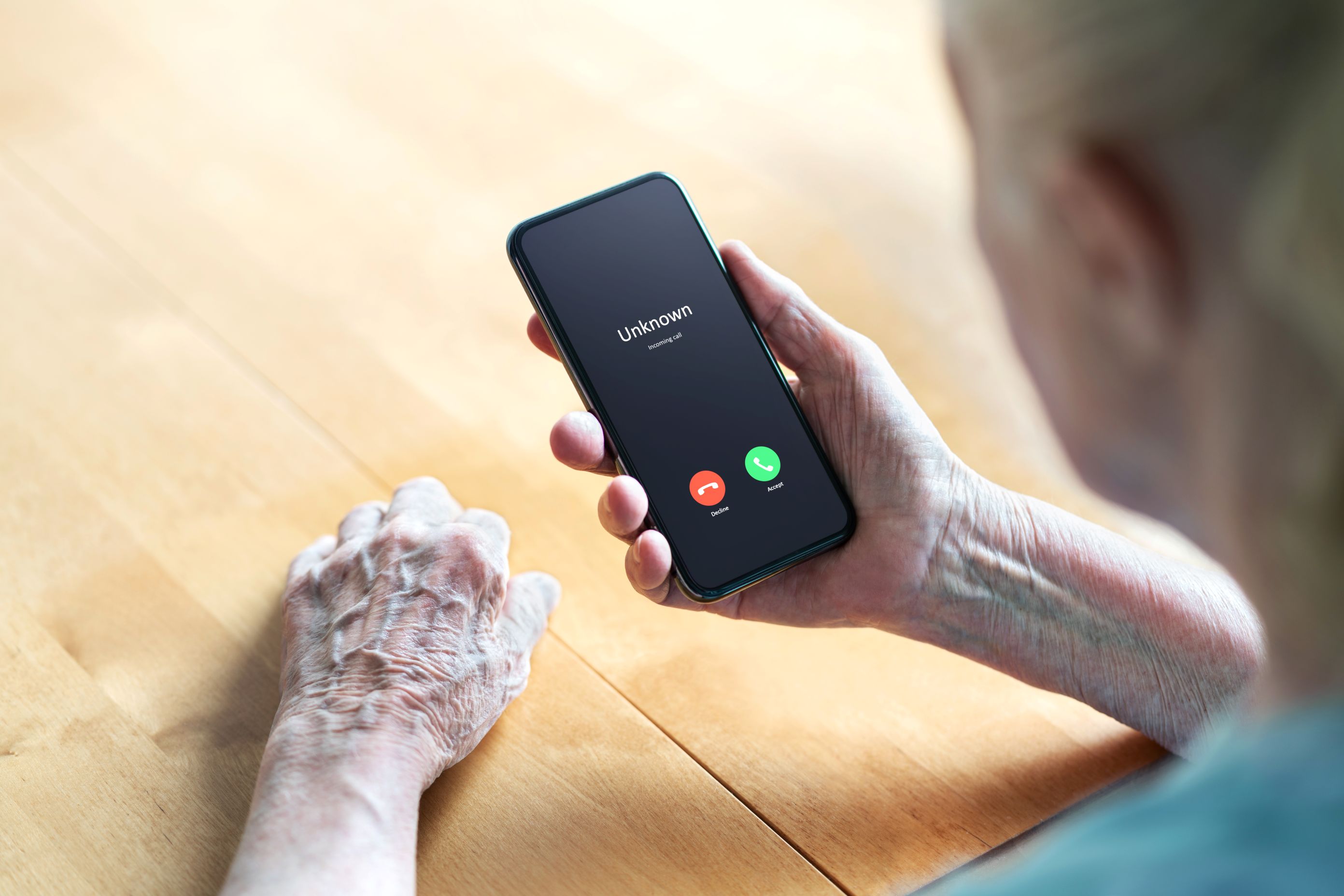
Today, financial exploitation happens quietly – and digitally. Instead of stolen checks or forged signatures, abuse may involve compromised passwords, unauthorized online account access, or highly convincing phone calls or emails designed to pressure an older adult into sending money.
Local Elder Law Attorneys in Your City
The same digital tools that scammers exploit, however, can also help prevent, detect, and respond to financial elder abuse. From password managers to account monitoring services, practical digital protections can help reduce risk of financial abuse while allowing older adults to maintain their independence.
Below are some of the most useful tools older adults and their caregivers may want to consider.
Passwords remain a first line of defense for financial accounts, email, and devices like computers and phones. If someone gains access to an older adult’s email or smartphone, they may also gain access to bank accounts, retirement funds, or saved payment information.
Strong passwords matter; however, managing them can be unrealistic for many people. Weak or reused passwords are common because they are easy to remember. For example, “123456,” which has been used more than 4.5 million times, only takes 1 second to guess, according to CBS.
That’s where password managers come in. A password manager is a secure app that creates, stores, and fills in strong passwords for you. Instead of remembering dozens of passwords, you remember one master password or can unlock the app using a fingerprint or facial recognition.
Many phones and computers already include built-in password managers, and standalone options are also widely available. For older adults, password managers can:
For caregivers, password managers can also provide shared or emergency access, allowing a trusted person to help the older adult without knowing their every password.
Use a password manager for your financial accounts, email, and any account that can reset other passwords, such as an Apple ID or Google account.
Two-factor authentication (2FA) goes a step further. In addition to a password, the user must confirm their identity in a second way, such as:
Most financial institutions and email providers already offer two-factor authentication, but it is often optional. For older adults, 2FA can be particularly beneficial because it protects accounts even if a password has been stolen. In addition, biometric options reduce the need to remember additional information. Alerts can also notify users of login attempts they didn’t initiate.
Consider turning on 2FA for banking, email, retirement, and payment accounts, and ask financial institutions what backup options are available if a phone or device is lost.
Many seniors are inundated with scam calls, text messages, and emails. The average American receives about 100 scam messages a week, according to Talker Research. As artificial intelligence (AI) improves, these scams are becoming not only more convincing but also more difficult to spot at a glance.
Some phones, email providers, and third-party apps now use AI-powered screening tools to reduce exposure to scams. Examples include:
These tools don’t eliminate scams entirely, but they can dramatically reduce interruptions and prevent impulsive responses.
Note that AI-generated voice scams, such as calls that imitate a loved one asking for money, can bypass technical defenses. For these situations, experts recommend behavioral safeguards, such as hanging up and calling the person back using a known number.
Enable call screening and spam filtering on phones and email accounts, and consider creating a simple “pause and verify” rule for urgent financial requests.
For older adults who want extra protection or who already rely on a trusted individual to help with managing finances, comprehensive monitoring services can provide early warnings of suspicious activity.
Some services, such as EverSafe, are specifically designed for seniors and monitor:
A key feature of many services is the ability to designate a trusted advocate, such as a family member, caregiver, or professional. The older adult controls what information the advocate can see, helping balance oversight with autonomy.
Other identity protection services, while not designed specifically for seniors, may offer:
These tools can be particularly helpful as an early warning system when paired with an engaged caregiver.
When considering monitoring services, review costs, privacy settings, and alert options carefully.
Technology works best when paired with education. Understanding common scams can help older adults recognize red flags and use protective tools more effectively. The Federal Deposit Insurance Corporation (FDIC) offers free, downloadable resources that explain how to recognize and prevent financial exploitation. These materials can help older adults and caregivers decide which protections to prioritize and when to seek help.
Financial exploitation of older adults is increasingly digital – but prevention can be, too. Practical tools like password managers, 2FA, scam screening, and account monitoring can help reduce risk without sacrificing independence.
No single tool is foolproof, but used together, and combined with education and trusted support, these digital protections can make it significantly harder for scammers or bad actors to succeed.
New rules have been put in?place to protect seniors with brokerage accounts from financial scams that could drain the account...
Read moreYou may be afraid of losing your home if you have to enter a nursing home and apply for Medicaid. This fear is well-founded,...
Read moreIt is not uncommon for the elderly to become victims of financial abuse. They may be losing......
Read moreMy parents are getting older and they want to make sure their home is not taken from them if they should end up in a nursing...
Read moreIn addition to nursing home care, Medicaid may cover home care and some care in an assisted living facility. Coverage in your state may depend on waivers of federal rules.
READ MORETo be eligible for Medicaid long-term care, recipients must have limited incomes and no more than $2,000 (in most states). Special rules apply for the home and other assets.
READ MORESpouses of Medicaid nursing home residents have special protections to keep them from becoming impoverished.
READ MOREIn addition to nursing home care, Medicaid may cover home care and some care in an assisted living facility. Coverage in your state may depend on waivers of federal rules.
READ MORETo be eligible for Medicaid long-term care, recipients must have limited incomes and no more than $2,000 (in most states). Special rules apply for the home and other assets.
READ MORESpouses of Medicaid nursing home residents have special protections to keep them from becoming impoverished.
READ MORECareful planning for potentially devastating long-term care costs can help protect your estate, whether for your spouse or for your children.
READ MOREIf steps aren't taken to protect the Medicaid recipient's house from the state’s attempts to recover benefits paid, the house may need to be sold.
READ MOREThere are ways to handle excess income or assets and still qualify for Medicaid long-term care, and programs that deliver care at home rather than in a nursing home.
READ MORECareful planning for potentially devastating long-term care costs can help protect your estate, whether for your spouse or for your children.
READ MOREIf steps aren't taken to protect the Medicaid recipient's house from the state’s attempts to recover benefits paid, the house may need to be sold.
READ MOREThere are ways to handle excess income or assets and still qualify for Medicaid long-term care, and programs that deliver care at home rather than in a nursing home.
READ MOREMost states have laws on the books making adult children responsible if their parents can't afford to take care of themselves.
READ MOREApplying for Medicaid is a highly technical and complex process, and bad advice can actually make it more difficult to qualify for benefits.
READ MOREMedicare's coverage of nursing home care is quite limited. For those who can afford it and who can qualify for coverage, long-term care insurance is the best alternative to Medicaid.
READ MOREMost states have laws on the books making adult children responsible if their parents can't afford to take care of themselves.
READ MOREApplying for Medicaid is a highly technical and complex process, and bad advice can actually make it more difficult to qualify for benefits.
READ MOREMedicare's coverage of nursing home care is quite limited. For those who can afford it and who can qualify for coverage, long-term care insurance is the best alternative to Medicaid.
READ MOREDistinguish the key concepts in estate planning, including the will, the trust, probate, the power of attorney, and how to avoid estate taxes.
READ MORELearn about grandparents’ visitation rights and how to avoid tax and public benefit issues when making gifts to grandchildren.
READ MOREUnderstand when and how a court appoints a guardian or conservator for an adult who becomes incapacitated, and how to avoid guardianship.
READ MOREWe need to plan for the possibility that we will become unable to make our own medical decisions. This may take the form of a health care proxy, a medical directive, a living will, or a combination of these.
READ MOREDistinguish the key concepts in estate planning, including the will, the trust, probate, the power of attorney, and how to avoid estate taxes.
READ MORELearn about grandparents’ visitation rights and how to avoid tax and public benefit issues when making gifts to grandchildren.
READ MOREUnderstand when and how a court appoints a guardian or conservator for an adult who becomes incapacitated, and how to avoid guardianship.
READ MOREWe need to plan for the possibility that we will become unable to make our own medical decisions. This may take the form of a health care proxy, a medical directive, a living will, or a combination of these.
READ MOREUnderstand the ins and outs of insurance to cover the high cost of nursing home care, including when to buy it, how much to buy, and which spouse should get the coverage.
READ MORELearn who qualifies for Medicare, what the program covers, all about Medicare Advantage, and how to supplement Medicare’s coverage.
READ MOREWe explain the five phases of retirement planning, the difference between a 401(k) and an IRA, types of investments, asset diversification, the required minimum distribution rules, and more.
READ MOREFind out how to choose a nursing home or assisted living facility, when to fight a discharge, the rights of nursing home residents, all about reverse mortgages, and more.
READ MOREUnderstand the ins and outs of insurance to cover the high cost of nursing home care, including when to buy it, how much to buy, and which spouse should get the coverage.
READ MOREWe explain the five phases of retirement planning, the difference between a 401(k) and an IRA, types of investments, asset diversification, the required minimum distribution rules, and more.
READ MOREFind out how to choose a nursing home or assisted living facility, when to fight a discharge, the rights of nursing home residents, all about reverse mortgages, and more.
READ MOREGet a solid grounding in Social Security, including who is eligible, how to apply, spousal benefits, the taxation of benefits, how work affects payments, and SSDI and SSI.
READ MORELearn how a special needs trust can preserve assets for a person with disabilities without jeopardizing Medicaid and SSI, and how to plan for when caregivers are gone.
READ MOREExplore benefits for older veterans, including the VA’s disability pension benefit, aid and attendance, and long-term care coverage for veterans and surviving spouses.
READ MOREGet a solid grounding in Social Security, including who is eligible, how to apply, spousal benefits, the taxation of benefits, how work affects payments, and SSDI and SSI.
READ MORELearn how a special needs trust can preserve assets for a person with disabilities without jeopardizing Medicaid and SSI, and how to plan for when caregivers are gone.
READ MOREExplore benefits for older veterans, including the VA’s disability pension benefit, aid and attendance, and long-term care coverage for veterans and surviving spouses.
READ MORE