Giving Your Home to Your Children Can Have Tax Consequences
Many people wonder if it is a good idea to give their home to their children. While it is possible, giving away a house can h...
Read moreAn estimated four million American children helped care for a sick, disabled, or elderly relative. Despite this, little support
exists for young carers.
Other wealthy countries treat young caregivers as a group needing recognition and support.
Better home care, respite services, long-term care aides, or paid family leave could help ease the burden of children caretakers.
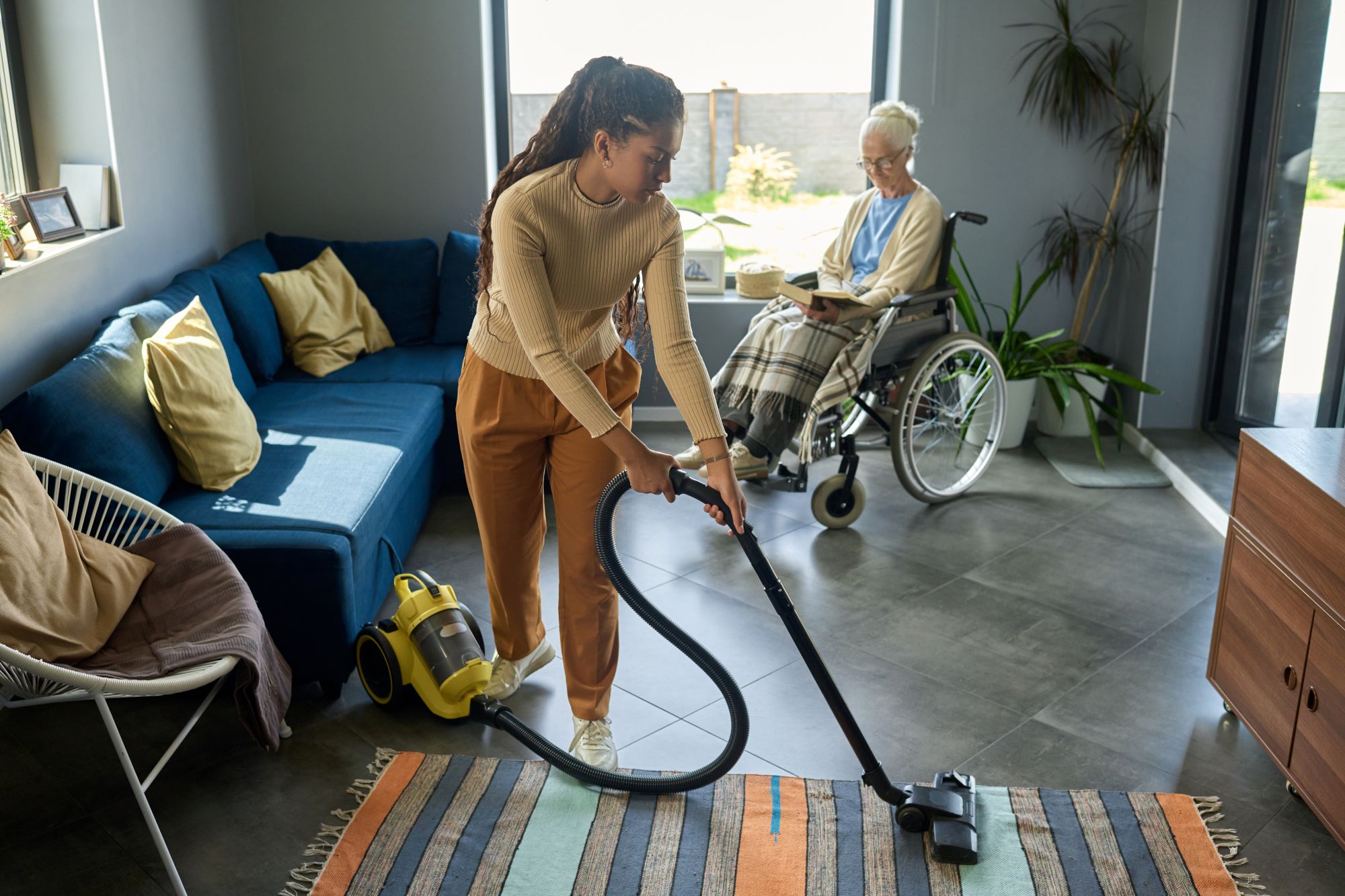
A teenager comes home from school, only to immediately start working. She helps a grandparent bathe, reminds a parent to take their medications, and cooks dinner — all before starting her homework. This is daily life for a large number of children in the United States.
A joint report from 2025 estimated four million American children helped care for a sick, disabled, or elderly adult relative. It inferred that number from surveys of adult caregivers. As such, it likely misses children who give care entirely on their own and those who look after siblings with medical needs. The real number is likely even higher. This issue drew fresh attention in August, when The New York Times Magazine published a feature on it by Dr. Helen Ouyang.
Several trends are pushing more care into the home. Baby boomers are reaching ages when the need for daily help is more common. Rising housing costs are requiring more families to live in households that span generations. Hospitals are discharging patients sooner, which leaves tasks once handled by nurses to family members.
Local Elder Law Attorneys in Your City
In addition, federal cuts to Medicaid will likely lead states to reduce or eliminate optional home care services some families depend on. Medicaid is the country’s primary payer of long-term care in the home, managed by individual states.
About 63 million Americans already provide ongoing care for an adult or child with a medical condition or disability. Yet, the United States has no national paid family leave policy (some state programs exist). When adults cannot cover the gaps without risking job protection, children often step in.
For many older adults, a grandchild’s help can mean staying at home instead of moving into a facility. Some prefer the closer bond it can foster between generations as well.
However, relying on a child for care carries risks. They may not know what to do in a medical emergency or how to handle medication safely. Additionally, they may not be physically capable of helping during transfers or if the older adult falls.
Also, care can stop suddenly when the child gets sick, has a school crisis, or grows up and moves away. Some older adults may feel guilty about leaning on a child or grandchild and that stress can affect their own well-being.
Children who provide care in the home often take on tasks that would challenge many adults. They help older relatives with such tasks as managing medications, changing dressings, checking blood pressure, and bathing. Those duties can cut into time for homework, sleeping, building friendships, and engaging in childhood activities.
Many of these children say they do not mind helping and they often develop maturity and compassion. The concern lies in the lack of support. A federal Government Accountability Office (GAO) report found that the key federal caregiver programs focus on adults.
To address this, the GAO recommended that the Department of Health and Human Services (HHS) clarify the program’s eligibility rules online. The site said the program serves adults but did not mention that states and local providers can decide who counts as an “adult”. That means some caregivers under 18 may qualify for services like counseling, training, and respite care. HHS agreed and updated its website in May 2025.
Some schools and nonprofits, such as the American Association of Caregiving Youth, are improving help for student caregivers. They offer home visits and respites so the students can take a break from caregiving.
Still, the current system has much to improve. As researcher Elizabeth Olson notes, support for family caregivers doesn't usually receive push back. Once children enter the picture, however, it becomes a debate.
Other wealthy nations tend to treat young caregivers as a group that needs recognition and protection. England, Australia, and Sweden provide examples:
The UK Children and Families Act 2014 gives every caregiver under 18 a legal right to an assessment of their own needs. This assessment is triggered by a request or an apparent need. The assessment looks at whether the caring is excessive for the child. It can lead to services for the person receiving care, so the child does not have to fill the gap. Local authorities must also take reasonable steps to find young carers rather than wait for families to ask.
In Australia, the national Carer Recognition Act has been in place since 2010. The federal government also funds the Young Carer Bursary Program. The program helps caregivers aged 12 to 25 stay in school or receive training.
Since 2010, Swedish health care law has required providers to give special consideration to the information, advice and support needs of children whose parent or other adult they live with has a serious illness, mental disorder, or addiction, or who died suddenly. It focuses on children as relatives of patients rather than creating a specific young-carer assessment.
These countries treat caregiving as a public responsibility, not just as a private family matter.
Helping a loved one can be meaningful, but a child should not be the main safety net for a sick or aging adult. Better home care, respite services, paid family leave, and methods for schools and doctors to spot young caregivers could help ease their burden.
For additional reading on issues related to caregiving, check out the following articles:
Many people wonder if it is a good idea to give their home to their children. While it is possible, giving away a house can h...
Read moreWhile the transition from one level of care to another in a Continuing Care Retirement Community (CCRC) may be advertise...
Read moreI just applied for Medicaid for my mom and dad to receive home care. I don't think either of them will move into a nursing ho...
Read moreMy grandfather recently passed away and his will stated that his estate be divided evenly among his grandchildren. Before he...
Read moreIn addition to nursing home care, Medicaid may cover home care and some care in an assisted living facility. Coverage in your state may depend on waivers of federal rules.
READ MORETo be eligible for Medicaid long-term care, recipients must have limited incomes and no more than $2,000 (in most states). Special rules apply for the home and other assets.
READ MORESpouses of Medicaid nursing home residents have special protections to keep them from becoming impoverished.
READ MOREIn addition to nursing home care, Medicaid may cover home care and some care in an assisted living facility. Coverage in your state may depend on waivers of federal rules.
READ MORETo be eligible for Medicaid long-term care, recipients must have limited incomes and no more than $2,000 (in most states). Special rules apply for the home and other assets.
READ MORESpouses of Medicaid nursing home residents have special protections to keep them from becoming impoverished.
READ MORECareful planning for potentially devastating long-term care costs can help protect your estate, whether for your spouse or for your children.
READ MOREIf steps aren't taken to protect the Medicaid recipient's house from the state’s attempts to recover benefits paid, the house may need to be sold.
READ MOREThere are ways to handle excess income or assets and still qualify for Medicaid long-term care, and programs that deliver care at home rather than in a nursing home.
READ MORECareful planning for potentially devastating long-term care costs can help protect your estate, whether for your spouse or for your children.
READ MOREIf steps aren't taken to protect the Medicaid recipient's house from the state’s attempts to recover benefits paid, the house may need to be sold.
READ MOREThere are ways to handle excess income or assets and still qualify for Medicaid long-term care, and programs that deliver care at home rather than in a nursing home.
READ MOREMost states have laws on the books making adult children responsible if their parents can't afford to take care of themselves.
READ MOREApplying for Medicaid is a highly technical and complex process, and bad advice can actually make it more difficult to qualify for benefits.
READ MOREMedicare's coverage of nursing home care is quite limited. For those who can afford it and who can qualify for coverage, long-term care insurance is the best alternative to Medicaid.
READ MOREMost states have laws on the books making adult children responsible if their parents can't afford to take care of themselves.
READ MOREApplying for Medicaid is a highly technical and complex process, and bad advice can actually make it more difficult to qualify for benefits.
READ MOREMedicare's coverage of nursing home care is quite limited. For those who can afford it and who can qualify for coverage, long-term care insurance is the best alternative to Medicaid.
READ MOREDistinguish the key concepts in estate planning, including the will, the trust, probate, the power of attorney, and how to avoid estate taxes.
READ MORELearn about grandparents’ visitation rights and how to avoid tax and public benefit issues when making gifts to grandchildren.
READ MOREUnderstand when and how a court appoints a guardian or conservator for an adult who becomes incapacitated, and how to avoid guardianship.
READ MOREWe need to plan for the possibility that we will become unable to make our own medical decisions. This may take the form of a health care proxy, a medical directive, a living will, or a combination of these.
READ MOREDistinguish the key concepts in estate planning, including the will, the trust, probate, the power of attorney, and how to avoid estate taxes.
READ MORELearn about grandparents’ visitation rights and how to avoid tax and public benefit issues when making gifts to grandchildren.
READ MOREUnderstand when and how a court appoints a guardian or conservator for an adult who becomes incapacitated, and how to avoid guardianship.
READ MOREWe need to plan for the possibility that we will become unable to make our own medical decisions. This may take the form of a health care proxy, a medical directive, a living will, or a combination of these.
READ MOREUnderstand the ins and outs of insurance to cover the high cost of nursing home care, including when to buy it, how much to buy, and which spouse should get the coverage.
READ MORELearn who qualifies for Medicare, what the program covers, all about Medicare Advantage, and how to supplement Medicare’s coverage.
READ MOREWe explain the five phases of retirement planning, the difference between a 401(k) and an IRA, types of investments, asset diversification, the required minimum distribution rules, and more.
READ MOREFind out how to choose a nursing home or assisted living facility, when to fight a discharge, the rights of nursing home residents, all about reverse mortgages, and more.
READ MOREUnderstand the ins and outs of insurance to cover the high cost of nursing home care, including when to buy it, how much to buy, and which spouse should get the coverage.
READ MOREWe explain the five phases of retirement planning, the difference between a 401(k) and an IRA, types of investments, asset diversification, the required minimum distribution rules, and more.
READ MOREFind out how to choose a nursing home or assisted living facility, when to fight a discharge, the rights of nursing home residents, all about reverse mortgages, and more.
READ MOREGet a solid grounding in Social Security, including who is eligible, how to apply, spousal benefits, the taxation of benefits, how work affects payments, and SSDI and SSI.
READ MORELearn how a special needs trust can preserve assets for a person with disabilities without jeopardizing Medicaid and SSI, and how to plan for when caregivers are gone.
READ MOREExplore benefits for older veterans, including the VA’s disability pension benefit, aid and attendance, and long-term care coverage for veterans and surviving spouses.
READ MOREGet a solid grounding in Social Security, including who is eligible, how to apply, spousal benefits, the taxation of benefits, how work affects payments, and SSDI and SSI.
READ MORELearn how a special needs trust can preserve assets for a person with disabilities without jeopardizing Medicaid and SSI, and how to plan for when caregivers are gone.
READ MOREExplore benefits for older veterans, including the VA’s disability pension benefit, aid and attendance, and long-term care coverage for veterans and surviving spouses.
READ MORE