Four Ways the Coronavirus Pandemic May Affect Long-Term Care Insurance
The coronavirus pandemic has had a devastating impact on those in nursing homes and other long-term care facilities. This has...
Read more Elder Law Answers
The SAVE America Act would require proof of citizenship to register and photo ID to vote in federal elections.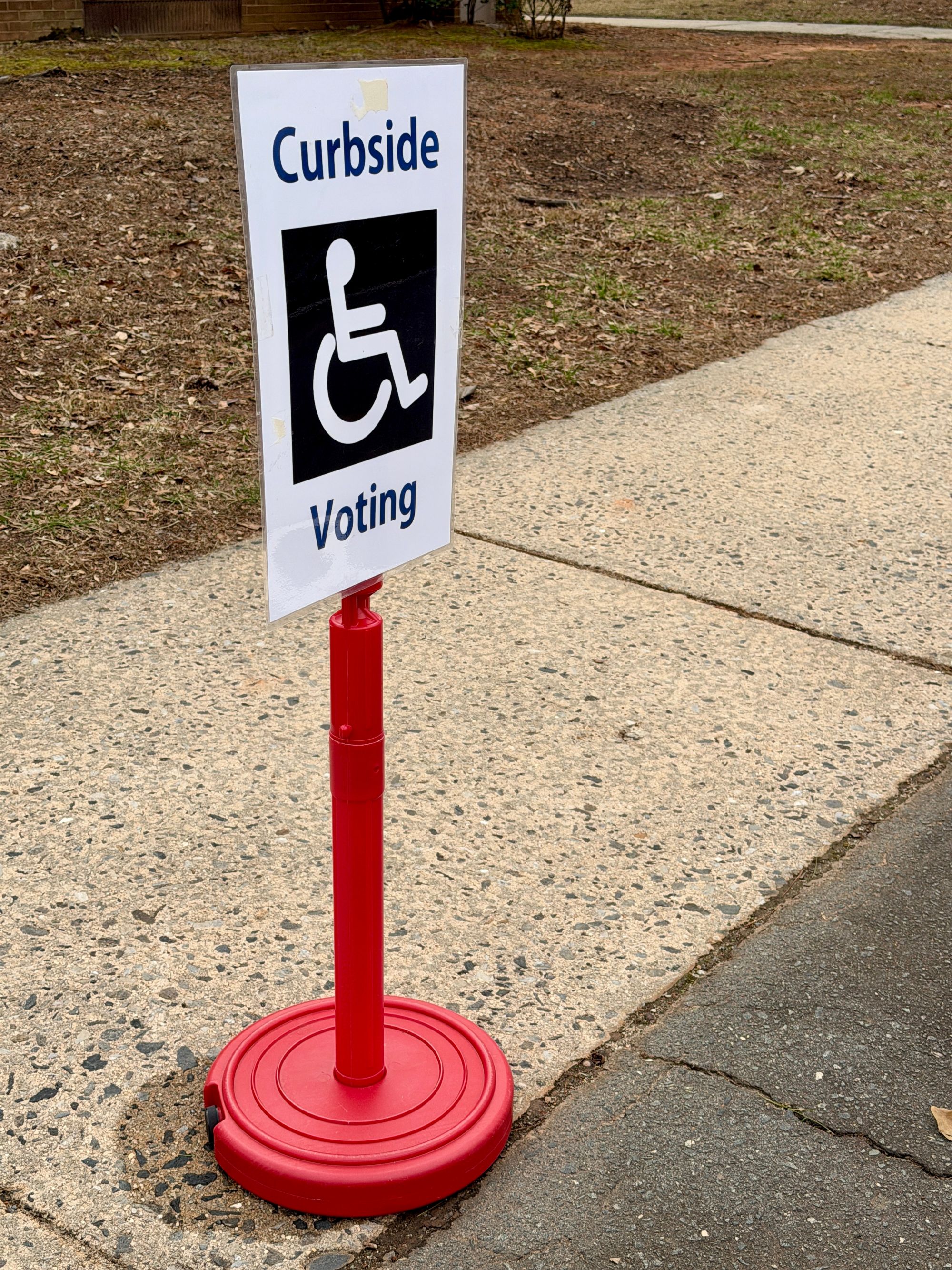
Disability advocates warn the bill could create barriers for voters with disabilities.
Federal laws protecting the voting rights of people with disabilities, including the ADA, would stay in place. Checking your registration and keeping your ID and citizenship documents current can help you prepare.
Voters with disabilities already have enough hurdles to clear when voting. Yet, a pending bill in Congress could add even more obstacles if passed into law.
The SAVE America Act, an expanded version of the Safeguard American Voter Eligibility Act, or SAVE Act, was passed by the House of Representatives in February 2026. The original act, which passed the House in April 2025, stalled in the Senate without receiving a vote.
The Senate has not yet passed the repackaged SAVE America Act either. Because it is not yet law, nothing in it applies to voters today. Still, supporters plan to revisit the bill during the fall budget process.
As such, it's good to know what may change if it passes — especially for voters with disabilities.
Currently, Federal law bars non-citizens from voting in federal elections. When people in most states register to vote, they sign a statement confirming their citizenship status. Under the National Voter Registration Act of 1993 (NVRA), these states cannot require documents such as a passport or birth certificate to register to vote.
Additionally, there is no existing Federal voter ID requirement. Each state sets their own rules, so they can vary widely. For example, some states don't require a photo ID to vote.
The SAVE America Act would change this by requiring the following:
Documentary proof of citizenship, such as a passport or a birth certificate, to register to vote in federal elections.
A government-issued photo ID to vote in person.
A copy of a government-issued photo ID to vote by mail.
In-person registration. Advocacy group The Arc interprets the bill as requiring registration in person with an election official. Currently, most states allow registering online or via mail.
The bill would apply to federal elections in all 50 states.
Disability rights organizations, including The Arc and the American Association of People with Disabilities, have spoken against the bill. They warn that it would add hurdles to a system that is already hard to navigate. Their main concerns include:
Documents. Advocates cite research that found about one in five people with disabilities lacks a current driver’s license. Additionally, passports can be costly and hard to get without transportation or help. Around 21 million eligible voters lack easy access to citizenship documents.
Increased in-person requirements. The bill potentially requires registration to occur in person. This affects people with disabilities, who may have difficulty driving or have to rely on transportation services.
Requiring ID when mail-in voting. More than half of voters with disabilities voted by mail in 2020, according to advocates. Adding ID copies to mail-in ballots means copying or scanning and printing, which can be difficult without help.
Rolling out new requirements too quickly. The Arc notes that the bill would take effect immediately if passed. This would give federal officials only 10 days to issue guidance. Yet, it provides no funding to states to make the required changes.
Helpers and registration drives could be limited. Local registration events, such as in the community or care home, may no longer be possible. Voters who rely on aides or family members for help with paperwork would also need that help to be available.
Although the bill includes an accessibility provision for voters with disabilities, it lacks clear definition. It directs states to ensure “reasonable accommodations” so people with disabilities can present proof of citizenship when registering.
But the bill does not define what those accommodations would look like. It also doesn't provide methods for enforcement or lodging complaints. Additionally, these accommodations only appear to apply to registration, not submitting a ballot — either in-person or via mail. Advocates say that leaves too much to each state’s interpretation.
Consider a voter who uses a wheelchair, doesn’t drive, and keeps their birth certificate with relatives in another state. Getting a certified copy means paperwork, fees, and waiting on the mail. If registration must happen in person, as The Arc reads the bill, that voter also needs accessible transportation to an election office. As the bill stands, advocates argue it’s uncertain whether these accommodations would be available.
Voters with disabilities are protected by federal laws that govern how elections are run and who can help a voter cast a ballot. The SAVE America Act would not repeal any of them, so they stay in place whether or not the bill passes.
The following federal protections stay in place:
The Americans with Disabilities Act requires state and local governments to ensure that people with disabilities have a full and equal opportunity to vote. It applies to every part of the process. This includes registration, site selection, and casting a ballot, whether on Election Day or by absentee voting.
The Help America Vote Act requires accessible voting systems so people can vote privately and independently. It also provides the right to a provisional ballot if a voter's eligibility is questioned. For example, if you fail to bring ID to the polls, you can cast a provisional ballot. Election officials count your vote once you return with a valid ID.
The Voting Rights Act lets you bring a person of your choice to help you vote. Limited exceptions, such as your employer or union representative, apply.
You can ask for an accessible voting machine, curbside help if your state offers it, or a seat or break if you need one.
Despite these protections, access to polling places is still uneven. A federal watchdog review by the United States Government Accountability Office (GAO) found that 60 percent of polling places during the 2016 election had barriers for voters with disabilities. This included obstacles such as steep ramps, missing signs for accessible routes, or poor parking.
Accessible machines were nearly always present, but the setup often undermined privacy and independence. Some stations, for example, failed to accommodate wheelchair users, who then needed someone else’s help. Early voting showed gaps too: officials in four states said their laws didn’t require accessible voting stations before Election Day.
The problem is not new, and progress has been slow. In the 2000 election, only 16 percent of polling places had no potential barriers for voters with disabilities. By 2008, that figure had risen to 27 percent.
Knowing what rights exist is vital to understanding what you can ask for at the polls.
Check your registration early with your state or local election office. Confirm your polling place and early-voting options.
If you vote by mail, ask your election office how and when to request and return a ballot, and what accessible options exist. Deadlines vary by state.
Research who can help you vote, then decide on an aide ahead of election day.
Ask for a provisional ballot if officials refuse your vote. Then call Election Protection at 866-OUR-VOTE (866-687-8683). Accessibility complaints can also go to the U.S. Department of Justice ADA line at 800-514-0301.
Looking ahead, keep your ID and citizenship documents current and easy to find. If you are missing any, start the replacement process early, since it can take weeks.
Under the ADA, election officials must make their polling places and procedures accessible to you. If you require anything to effectively cast your vote, you can ask for it.
Asking early is a good way to confirm what will be available ahead of time. Call your local election office to communicate what you need. Then, follow up by email and keep a record of your conversation.
Once at the polls, speak with the workers about what you need. If necessary, request the chief election official to assist.
Voters with disabilities already face real obstacles at the polls. If the SAVE America Act passes, disability advocates warn it could add new hurdles around documents, in-person registration, and mail ballots. Regardless, federal protections under the ADA, the Help America Vote Act, and the Voting Rights Act remain in place. Knowing your rights, and who to call if something goes wrong, can make the difference at the polls.
For additional reading on issues related to voting and people with disabilities, check out the following articles:
New State Laws Erect Barriers to Voting for People With Disabilities, Advocates Say
Texas Voters With Disabilities Were Stopped from Voting, Critics Say