Nursing Home Residents Face Voting Barriers Amid COVID
The coronavirus pandemic has forced nursing homes to place?a number of restrictions on their residents. These constraints are...
Read more Elder Law Answers
A July 2026 federal memo replaced earlier guidance on nursing home residents’ voting rights, removing instructions that told facilities to help residents register and vote.
Thirteen senators want the memo withdrawn, arguing it could discourage staff from helping residents vote. The memo itself says it creates no new legal requirements.
Nursing home residents still have the right to vote, to decline to vote, and to make their choices free from pressure. Asking about voting options early helps.
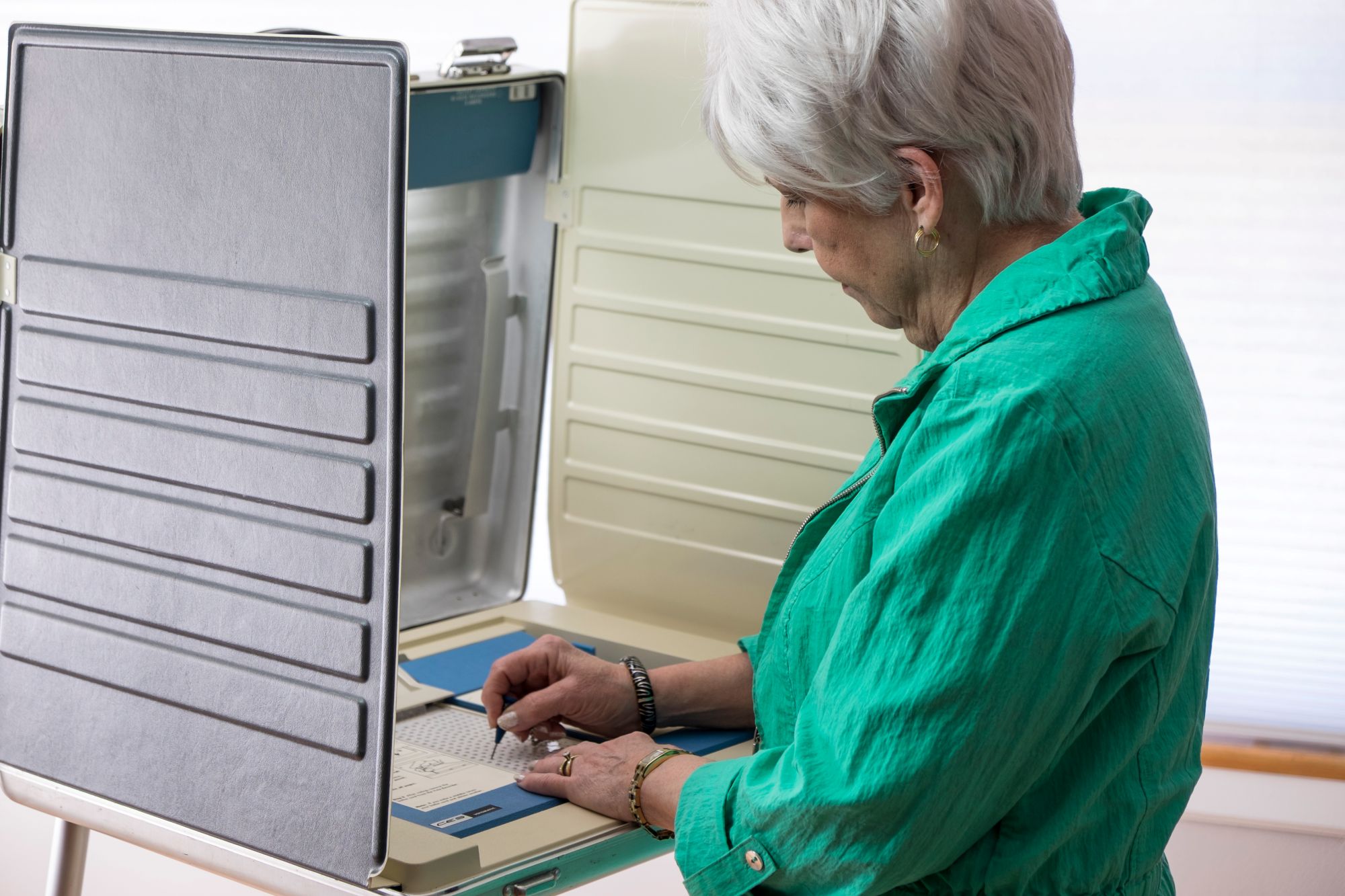
Living in a nursing home doesn't mean relinquishing basic rights. This includes the right to vote. As Election Day approaches, a federal memo has raised new questions about how residents get help casting ballots. Understanding what happened and how things may have changed informs what residents and their families can do.
The Centers for Medicare & Medicaid Services (CMS) is the federal agency that manages Medicare and Medicaid certification for nursing homes. On July 20, 2026, CMS issued a new memo on voting rights in long-term care facilities. At the same time, they rescinded two earlier memos on the topic, one from October 2020 and one from September 2024.
Those earlier memos instructed nursing homes to ensure residents had the ability to vote. This included in person, by mail, or by absentee ballot. The 2024 memo went further and directed facilities to have a plan for helping residents vote. That plan covered voter registration, absentee ballots, transportation to polling places, and coordination with election officials.
The 2026 memo takes a different approach. It has no checklist of ways to help residents vote. Instead, it reminds facilities that residents keep both the right to vote and the right to decline to vote. It also emphasizes that staff may not interfere with, pressure, or improperly influence a resident’s choices.
The new memo points to cases where residents, including those with diminished mental capacity, were allegedly denied their rights. It stresses that nursing homes should not register residents without their knowledge and consent. Lastly, it underscores that facilities should follow state rules about who may physically help with an absentee ballot. It warns facilities against any activity that violates federal or state voting laws.
Despite revoking prior memos and rewording CMS guidance, the 2026 memo states that it does not create any new legal requirements. The rescinded memos were guidance rather than law, so nursing homes’ underlying legal duties to residents are unchanged. The removal of the specific instructions, however, may affect how facilities choose to act.
On August 12, 2026, 13 U.S. senators wrote to CMS Administrator Mehmet Oz. They asked him to rescind the memo and bring back the earlier guidance. According to the senators, the memo replaces language about helping residents vote with warnings about prosecution for voter fraud. They fear this will scare staff away from helping, rather than encourage them to assist residents. The memo also described two investigations. The senators argue these cases did not involve fraudulent votes. Furthermore, there is no evidence of widespread fraud or coercion in nursing homes.
CMS claims their goal is to protect vulnerable residents from being pressured into voting against their wishes. Wanting to help residents vote while protecting them from misuse of their ballots can coexist. The disagreement is over whether the new memo strikes the right balance and tone.
Even with the earlier memos rescinded, the core protections for residents remain in place. Since these rights come from federal or state laws, not from the CMS memos, they continue to apply to every resident and every facility.
Federal nursing home rules still protect residents’ rights as citizens. A facility must support them in exercising their right to vote without interference, coercion, discrimination, or reprisal.
Residents still have the right to send and receive mail promptly, which includes voter registration forms and ballots.
Residents also have the right to decline to vote. They cannot be forced to vote for a specific candidate or choice against their will.
State laws still decide the details, such as how to request an absentee ballot and who may help complete it.
Understanding how to act is important for preserving your right to vote.
Inquire about your options well ahead of time. Tell the facility staff you want to vote and ask how they handle in-person voting, mail-in ballots, and absentee voting. The facility may be able to arrange transportation to a polling place or help you request a ballot. Families can make the same request on a resident’s behalf, as long as the resident wants to vote.
Check specific deadlines in your state. Registration and absentee ballot deadlines vary. Your state or local election office can confirm them. Many states also offer early voting or ballot drop-off, so options may remain even if a deadline has passed.
Elect a trusted individual to help. If you need help, ask someone you trust and check your state’s rules about who may assist. Some states limit who can help with an absentee ballot or require the helper to sign a statement. The helper’s role is to carry out your choices, not to make them for you.
Keep your vote private. Your choices should belong to you alone. Staff, family, and visitors should not pressure you. Remember, you can always say no to anyone who tries to glance at your ballot or influence your decision.
Act quickly if you are stopped from voting. Contact your state’s Long-Term Care Ombudsman, your local election office, a legal aid office, or a protection and advocacy organization. Record what happened, including dates, names, and communication.
The right to vote remains with a person even after they move into a nursing home. Federal laws that require nursing homes to support it remain in place. How CMS guidance will shape what facilities and staff feel comfortable doing, however, is changing. Speaking up early is the best way to ensure every vote is cast.
For additional reading on issues related to voting and nursing homes, check out the following articles: